×
Create account and receive
15% DISCOUNT
your first acquisition
or
Russian silver of the zolotnik assay system represents a historical standard for evaluating the quality of silver alloys, used in the Russian Empire from the 18th to the early 20th century. The system defined the content of pure silver within 96 parts of an alloy and remains an important element in the attribution of jewellery and works of decorative art.
We will only share latest what our month on the Silver 91.
The name derives from the zolotnik, an old Russian unit of weight equal to 1/96 of a Russian pound. In hallmarking practice, the zolotnik mark indicated the number of parts of pure silver or gold contained within 96 parts of the alloy.
Throughout the 18th and early 20th centuries, zolotnik standards were used by the principal centres of Russian jewellery and silversmithing, including Saint Petersburg and Moscow. Today, these assay marks are essential elements in the historical examination and authentication of Russian silver.
In the zolotnik system, the precious metal content was calculated based on 96 parts, unlike the modern metric system, which is based on 1000 parts.
Main silver standards of the Russian Empire:
72 zolotniki - 750 metric standard (75% silver)
74 zolotniki - 771 metric standard (77.1% silver)
82 zolotniki - 854 metric standard (85.4% silver)
84 zolotniki - 875 metric standard (87.5% silver)
87 zolotniki - 906 metric standard (90.6% silver)
88 zolotniki - 916 metric standard (91.6% silver)
90 zolotniki - 937 metric standard (93.7% silver)
91 zolotnik - 948 metric standard (94.8% silver)
95 zolotniki - 989 metric standard (98.9% silver)
The 84 zolotnik standard became the most widely used standard for Russian artistic silver of the 19th and early 20th centuries, particularly for works of decorative art, table silver and ecclesiastical objects.
Russian silver of the zolotnik system combines the refined qualities of a precious metal with extensive possibilities for artistic craftsmanship.
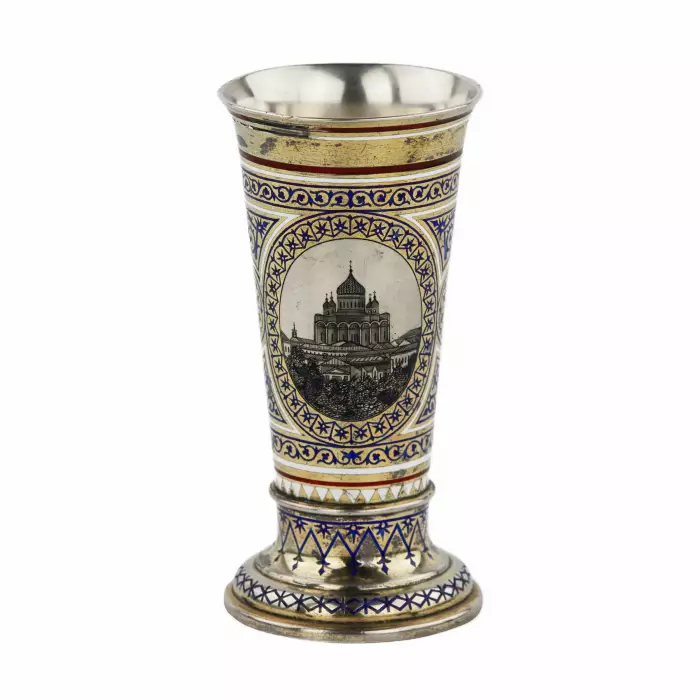
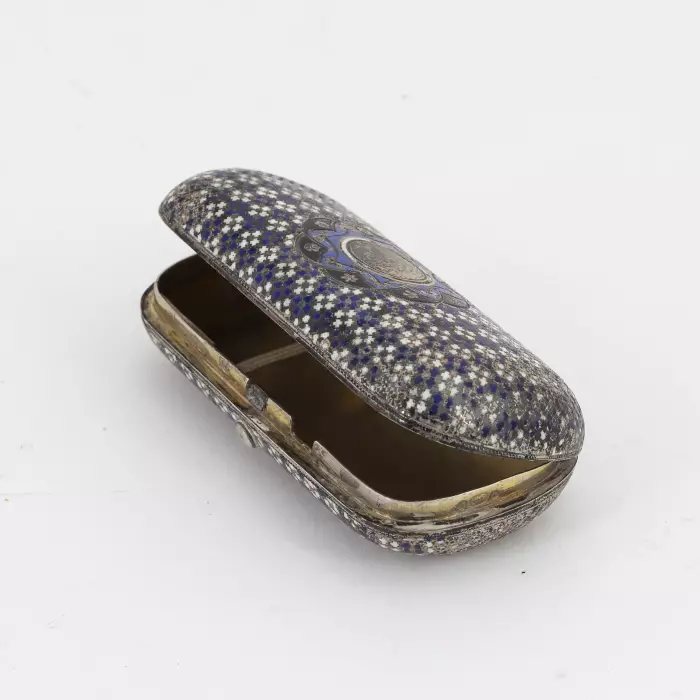
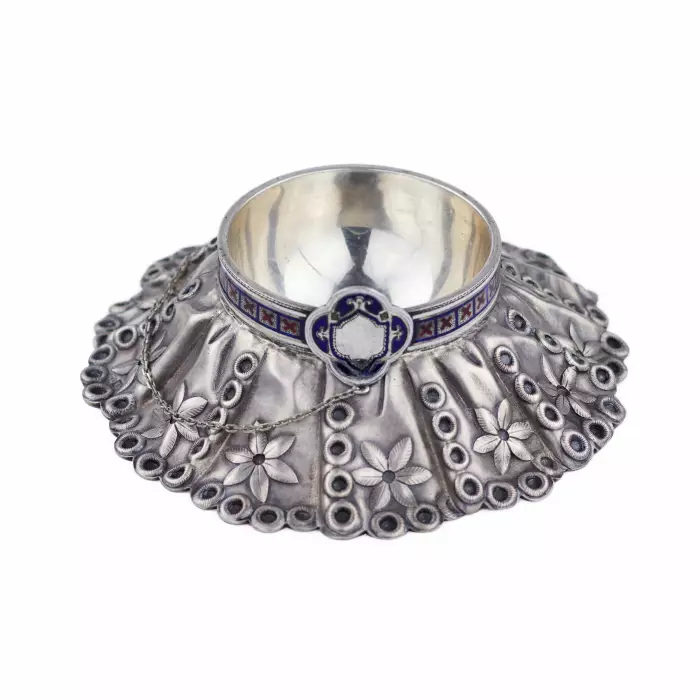
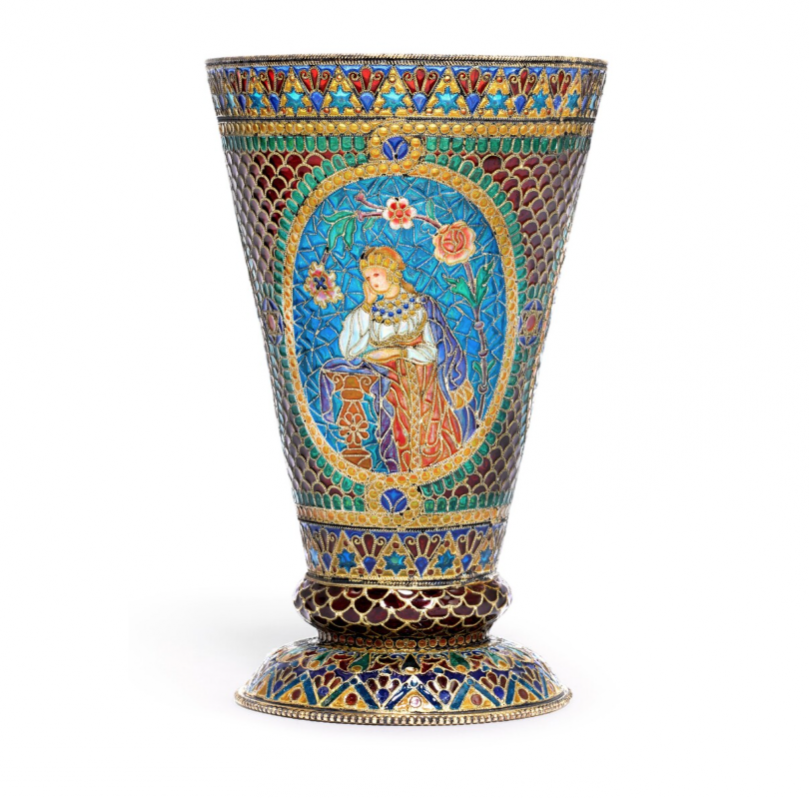
Silver alloys were used for repoussé work, engraving, casting, niello decoration, filigree, gilding and enamel techniques. A higher silver content enhanced the brilliance and noble appearance of the surface, while the addition of alloying metals provided strength and durability.
The zolotnik assay system was used by the leading Russian jewellery houses and silversmith workshops of the 18th to early 20th centuries.
Among the most renowned manufacturers were the houses of Carl Fabergé, Pavel Ovchinnikov, Ivan Khlebnikov, the Grachev Brothers and Sazikov.
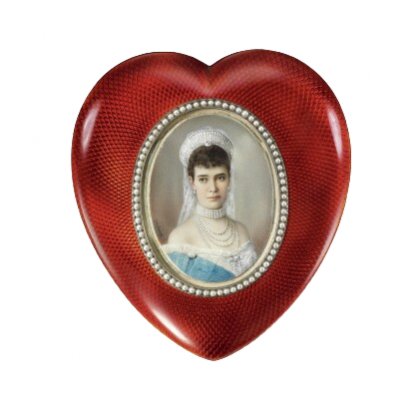
Russian silver bearing zolotnik assay marks was used to create presentation silver, icon covers, jewellery, kovsh vessels, cigarette cases and objects commissioned by the Imperial Court. Today, these assay marks remain an important criterion for attribution and confirmation of the historical authenticity of works of art.